
Same Day Express in 2026: Why You Need a Hybrid Delivery Model
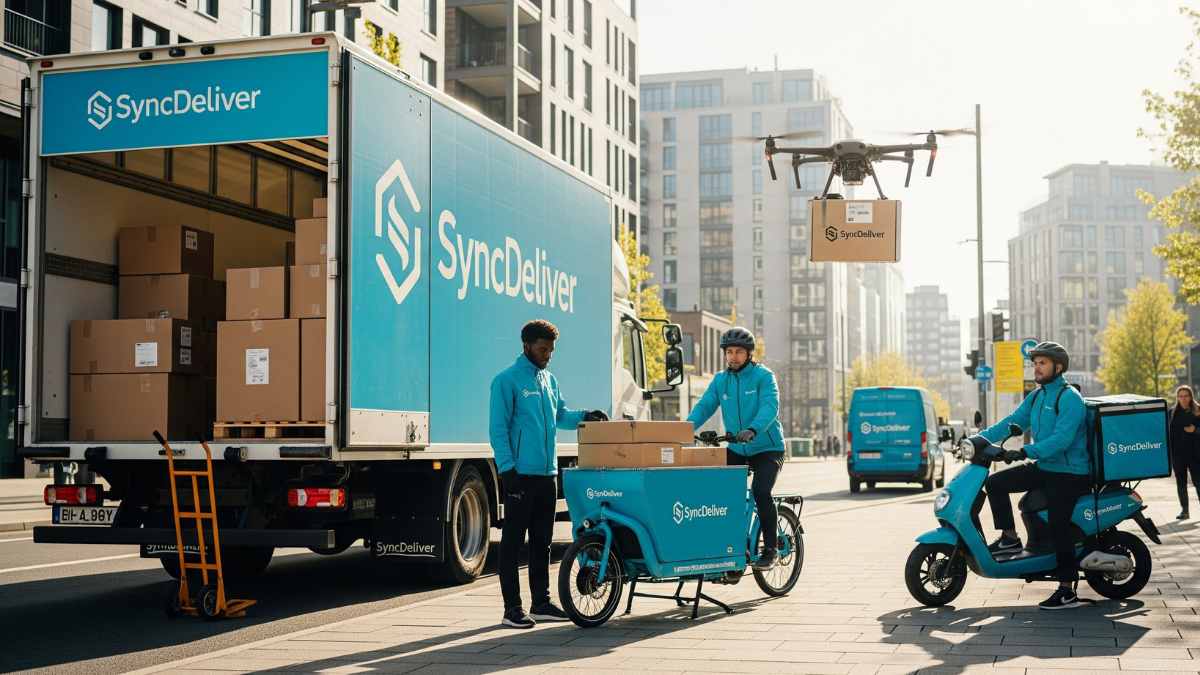
Same day delivery these days is part of how people shop, especially when the order is urgent, bulky, or time-sensitive.
In Australia, delivery expectations are moving faster than many businesses realise. Australia Post has reported that, in 2025, most shoppers were happy to receive parcels within approximately 4.6 days.
But in contrast to this, the same survey found that half of Gen Z and Millennials want delivery within 3 days.
That gap shapes everything, from dispatch planning to what you show at checkout.
So what’s pushing delivery models forward in 2026?
Hybrid same-day services.
It combines “courier speed” with “bigger load capability” in one system, allowing businesses to run both fast jobs and heavier jobs without changing their entire process every time.
Hybrid same-day delivery: what it is
Hybrid same-day delivery enables a single provider to handle various job types within the same service setup. That means it can handle the complexity that comes with handling small parcels, larger items, and even pallet-style deliveries in some cases.
Businesses sometimes think they need different carriers for small, quick drops and another for bulky deliveries. BUT really, you don’t.
A hybrid model covers both. It keeps your workflow steady, even when your orders change shape from day to day.
Why hybrid models are winning in 2026
The demand for online shopping is growing. In 2026, the pressure on delivery is even more than before. To give you an idea, in 2025, Australians spent $20.7 billion online. People buying more frequently do not necessarily increase their basket sizes.
As a result, there are more orders, resulting in a greater variety. You get more “deliver this today” requests, more mixed loads, and more last-minute changes.
You need a system that can cope with this high demand. Hybrid networks cope better because they’re built for that mix. They give you options without turning dispatch into a daily puzzle.
Operational efficiency that helps control costs
Same-day delivery gets expensive when the vehicle choice doesn’t fit the job. A small parcel in a large van wastes space and time.
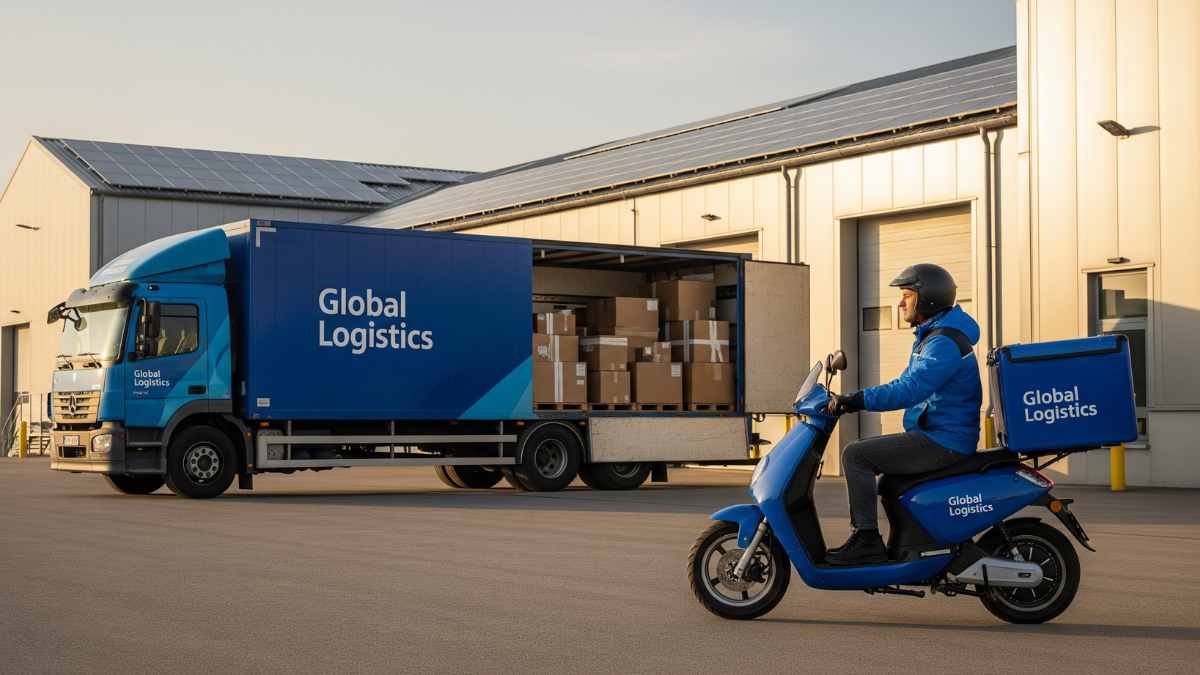
Hybrid delivery works better because it uses different vehicle types for different tasks. That could be a small vehicle for transporting a lightweight item in the same metro area, and a larger vehicle for bulky gear that requires more space.
When the vehicle matches the load, trips run cleaner, trips run smoother, and planning gets easier. The network stays busy in a useful way.
Customer retention when delivery feels simple
Customers stick with retailers that feel easy to buy from. They want clear options and predictable outcomes.
Hybrid services help because the process is cleaner for your team. One provider, one approach, fewer handoffs.
That tends to reduce follow-ups.It also reduces the “who is handling this one?” confusion that slows things down.
For retail and e-commerce, simple delivery choices at checkout matter. When customers can pick a window that suits them, they move forward with more confidence.
Flexible delivery windows that fit real life
Same-day delivery comes in different flavours. A two-hour rush job is not the same as “by the end of the day”.
Hybrid providers usually offer a small set of clear time windows, such as:
- Rush (around 2–3 hours): for urgent jobs
- Express (around 4 hours): a common same-day option
- Same-day standard: delivered by end of day
- Next-day: for planned deliveries with a set timeframe
That structure helps customers choose. It also helps your team plan without guessing.
The technology edge that makes delivery feel ‘under control’
Speed matters, but when a customer can’t see in real-time what’s happening with their order, it changes the experience. People relax when they can see what’s happening.
Good hybrid platforms usually include:
- live tracking that the sender and receiver can see
- automatic updates at key steps (picked up, on the way, delivered)
- proof of delivery, often a photo
- a way to contact the courier if details change
Showing visibility of the order and maintaining good communication with the carrier reduces back-and-forth. It also saves time for support teams during busy weeks.
Checkout and store integration
If you run an online store, manual steps slow you down. Hybrid services often integrate with popular e-commerce platforms, allowing orders to flow through more smoothly.
When it’s set up well, customers can:
- see same-day or next-day options at checkout
- pick a delivery window
- track the order without needing extra emails from your team
That’s easier for everyone. It also keeps your delivery offer consistent across channels.
Smart driver and vehicle matching
The best hybrid services don’t assign drivers at random. They match jobs based on what makes sense.
Common matching factors include:
- vehicle type and capacity
- driver location and availability
- the delivery window
- the best route for the day’s work
This improves pickup speed. It also helps keep routes tighter as volume grows.
Where traditional carriers still fit
Traditional carriers are a strong choice for standard shipping and planned delivery timelines. They work well when speed is next-business-day, and the process is predictable.
Hybrid same-day services are built for a different job mix. They are suitable for urgent point-to-point deliveries, changing schedules, and mixed load sizes.
Many businesses use both, and the key is choosing the right tool for the delivery promise you’re making.
NOW READ: 2026 Interstate Delivery Guide: Fastest Ways to Ship Between Australian States