
Interstate Delivery In the Australian Logistics Model
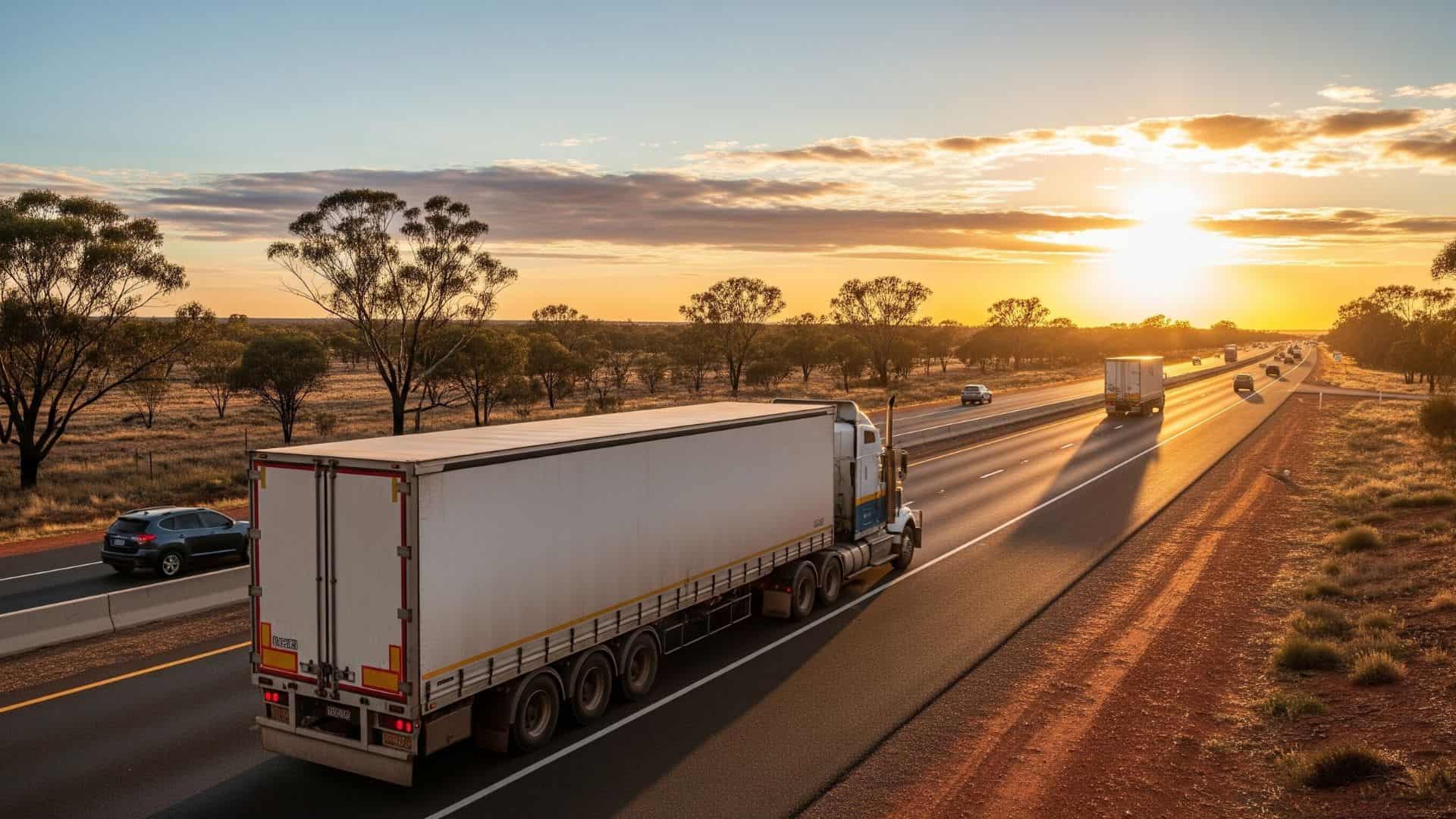
Shipping goods from Sydney to Perth, Melbourne to Brisbane, or Adelaide to Darwin is no small feat
When you’re trying to move goods across 7.7 million square kilometers of difficult terrain and coastal highways, logistics becomes the literal marrow of the national economy.
But it’s what keeps the lights on and the shelves stocked.
Whether you’re a business owner sweating over a cross-country pallet or a customer refreshing a tracking page for a Melbourne-to-Sydney express drop, understanding the “how” and “why” of transport is the only way to stand out.
I explore the different delivery models, key factors that influence your shipping decisions, and what the future holds for moving goods across Australia’s vast landscape.
What Is Interstate Delivery and Why Does It Matter?
Interstate delivery or freight involves transporting goods between Australian states, like between Sydney to Brisbane, Melbourne to Perth, or Adelaide to Darwin.
This differs from intrastate freight, which stays within a single state’s borders.
For national suppliers, manufacturers, and retail chains, interstate delivery is critically fundamental for maintaining supply chains and reaching customers across the country.
Australia’s ‘special’ challenges of varying distances, varying climates, and diverse terrain do really make reliable interstate logistics more critical than ever.
The numbers tell the story: Australia’s freight sector is growing at a 4.16% compound annual growth rate (CAGR), propelled by growing parcel volumes and significant infrastructure investments.
For businesses, this means more opportunities to expand nationally—but only if you have the right delivery partner.
Understanding the Three Core Interstate Delivery Models
There are three main interstate delivery models you’ll find across Australia, and they make sense given the continents geographical and human dispersal make up.
It is useful for logistics manager to understand these models in order to best utilise however many drivers and resources they have to get their products delivered to their customers doorsteps.
Hub-and-Spoke (Depot Model)
The hub-and-spoke model is the industry’s way of consolidating freight. Your gear goes to a central hub, gets sorted, and then heads out to the final destination.
On the long-haul stretches, this is where you see the prime movers and B-doubles doing the heavy lifting with up to 80 tonnes of capacity.
This model is the right move when you’re shipping larger volumes on a regular basis and cost optimisation matters more than raw speed. It’s for businesses in need of a fix.
The downside is that every time your freight changes hands at a hub, you’re introducing the potential for a delay. It’s a model for the planners, not for the person scrambling to sort a last-minute crisis.
Direct Delivery
Direct delivery is exactly what it sounds like: a dedicated vehicle picks up your goods and drives them straight to the destination.
There are no transfers, no hub stops, and no sitting around in a warehouse. Most of the time, this means a heavy rigid truck with a 12-20 tonne capacity handling those short-to-medium interstate runs.
The real win here is that you aren’t dealing with double-handling, which basically kills the risk of your cargo getting damaged in a depot somewhere.
You also get better access to those tight urban or residential spots in the major cities where a massive rig wouldn’t stand a chance.
It’s faster, you have total control over the timeline, and it’s the way to go for anything time-sensitive. The trade-off unfortunately is the price tag
But for fragile or “must-be-there-now” items, that premium usually pays for itself in peace of mind.
Linehaul Services
Linehaul is all about high-volume, semi-trailer transport between the capital cities.
These guys are the specialists for the long runs, and they usually come with the full suite of insurance, cross-border compliance, and the ability to handle packaged dangerous goods.
Linehaul is the sweet spot for established businesses with predictable volumes that need to move gear between major capitals.
You get the benefit of comprehensive tracking and the assurance that the paperwork is handled, making it the standard choice for goods that need specific compliance or a rock-solid paper trail from A to B.
Factors That Influence Interstate Courier Services in Australia
Before booking your next interstate shipment, you must consider the different factors that might affect how you plan your delivery as well as the way that it is being kept on the road or rail.
While the choices are obviously yours to make, these many factors do come in handy as a way to best consider your drivers movement routes from the depo to the doorsteps of customers.
Urgency and Speed Requirements
Before you pull the trigger on your next interstate booking, you need to be honest about how fast this actually needs to move.
Express services can guarantee a timeline by putting a dedicated vehicle on the job, which is great if the clock is ticking.
But if you’re staring at a “must-arrive-yesterday” situation, road freight isn’t the answer.
That’s where platforms like Zoom2u step in with next-flight options that get gear across the country in hours, not days.
Destination Accessibility
Then there’s the reality of where that shipment is actually heading. Getting a pallet into a CBD loading dock is a completely different beast than dropping it at a remote station. R
ural deliveries often need specialised road trains, while urban routes might require smaller vans that can actually navigate a narrow street or a residential zone.
You need a provider that doesn’t just have trucks, but has the right truck for that specific postcode.
Cost Considerations
The math on your costs is another big one. If you’re only moving one or two pallets, your per-unit rates are always going to feel the sting of fixed costs like fuel and the driver’s time.
If those smaller volumes are your “normal,” you should be looking for consolidation options to pull those costs back down to earth. And frankly, you should be demanding transparent pricing from the jump.
What’s more, nobody has time for surprise fuel surcharges or weekend penalties showing up on the invoice after the job is done.
Conclusion
Interstate delivery is the lifeline connecting Australian businesses and consumers across the vast continent.
Whether you’re shipping a single urgent parcel from Sydney to Melbourne or managing regular freight between multiple states, understanding your options helps you make smarter, more cost-effective decisions.
The key is matching your specific needs, like urgency, volume, destination, and budget, with the right delivery model and provider.
With Australia’s logistics infrastructure continuing to improve and technology making tracking and booking easier than ever, there’s never been a better time to expand your reach nationally.
Need to send something interstate today? Book with Zoom2u and experience fast, reliable delivery with real-time tracking and no hidden fees. For businesses looking to optimise their own delivery operations, explore Locate2u’s route optimisation platform to streamline your interstate logistics.